
25 Business Days to a Visa Ready TEFL Certificate Apostille in Canada
25 Business Days to a Visa Ready TEFL Certificate Apostille in Canada ! Apostille allonge attached to certificate Yes.
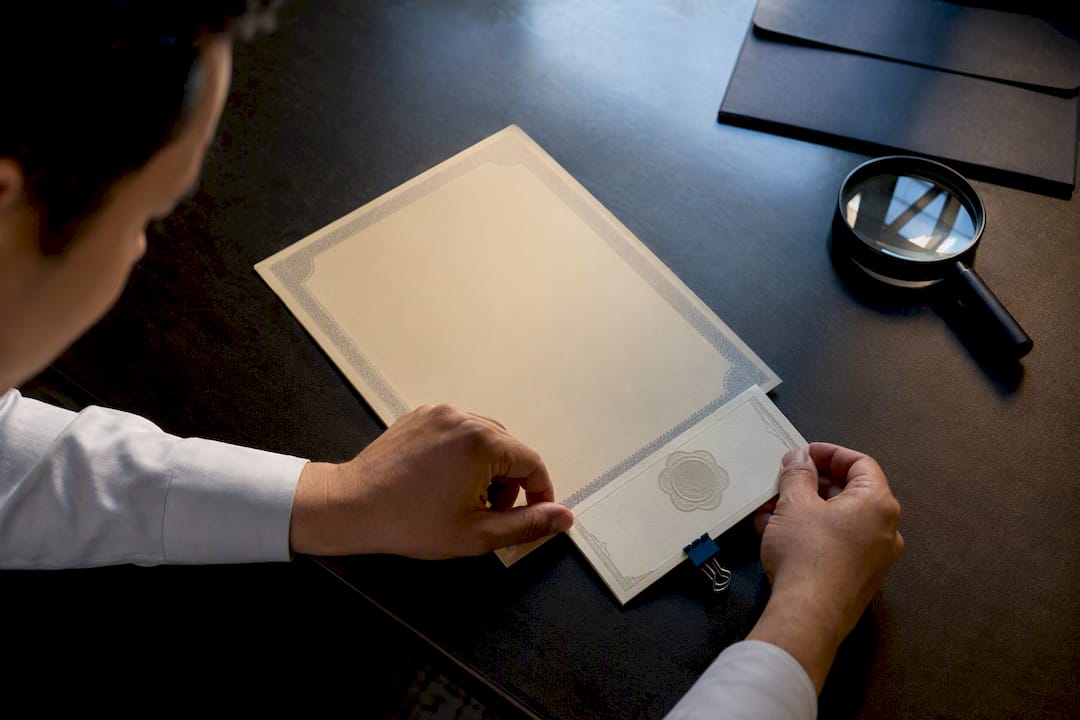
25 Business Days to a Visa Ready TEFL Certificate Apostille in Canada
Yes. A notarized TEFL certificate can be apostilled in Canada, since Canada joined the Hague Apostille Convention in January 2024. If your destination country is a Hague member, that apostille is the only authentication step required. If it isn't, you'll also need embassy legalization after the Canadian apostille. Either way, the first move is the same: get the certificate notarized, then submit it to Global Affairs Canada or the relevant provincial authority.
TL;DR:
- A Canadian notarized TEFL certificate can be apostilled in Canada, and if a destination country is a Hague member, no further legalization is needed.
- The process requires an original or certified copy, notarization by a Canadian notary, and submission to Global Affairs Canada or provincial authorities, with proper documentation and fees.
- Standard processing takes about 25 business days plus mailing, but expedited services are available for faster turnaround, especially if deadlines are tight.
- Apostilles issued before 2024 may not be accepted in Hague countries, requiring re-application for a current apostille.
- Non-Hague countries demand additional legalization after the Canadian apostille, along with potential translation and extra fees.
Table of Contents
- What Is a TEFL Certificate Apostille?
- How Do You Apostille a TEFL Certificate in Canada?
- Which Countries Accept a Canadian Apostille for TEFL Certificates?
- Notarization Rules and Mistakes That Get TEFL Certificates Rejected
- How Long Does an Apostille Take in Canada?
- When Should You Use a Professional Apostille Service?
- A Practical Checklist From the Editorial Desk
- Speedy Apostille Services: A Faster Path to an Authenticated TEFL Certificate
- Where to Verify the Rules Yourself
- Sources
- FAQ
What Is a TEFL Certificate Apostille?
An apostille is a certificate attached to a document that confirms the signature, seal, or stamp on it is genuine. Global Affairs Canada issues it as a physical attachment called an allonge, not a stamp printed directly on your paper. For Hague-member countries, this single certificate replaces the older two-step embassy legalization process entirely.
Visa offices and school administrators ask for TEFL certificate authentication because they need proof the training provider and the signature on your certificate are real. TEFL mills exist, and immigration officers know it.
Why the distinction matters for teachers specifically:
- An apostille verifies the document's origin, not the quality of your training.
- Employers still separately vet whether your TEFL provider is accredited.
- A notarized certificate without an apostille is often rejected outright by foreign visa offices.
How Do You Apostille a TEFL Certificate in Canada?
Getting a TEFL certificate authentication follows a fixed order. Skip a step and you'll add weeks to your timeline.
- Confirm your certificate format. You need an original hard copy or a certified true copy with a real signature from your issuing organization. Digital-only PDFs won't qualify.
- Notarize it with a Canadian notary public. The notary verifies your identity and confirms the signature on the certificate is authentic. This step is a prerequisite Global Affairs Canada requires before it will authenticate any document.
- Choose where to submit. Some provinces have their own competent authority for apostilles; others route everything through Global Affairs Canada. Check which office covers your document type before mailing anything.
- Complete the request form and pay fees. Include a prepaid, tracked return envelope. Untracked mail is the single most common reason people lose documents in transit.
- Verify the returned apostille. Check that the allonge is physically attached, matches your certificate details, and hasn't been separated in shipping.
Pro Tip: If your TEFL certificate was authenticated years ago with an old red stamp, don't assume it still works. Hague countries often won't accept those pre-2024 stamps, so you may need to resubmit for a fresh apostille.
Which Countries Accept a Canadian Apostille for TEFL Certificates?
Whether an apostille alone is enough depends entirely on your destination, not on your certificate. Check the Hague Conference's member list before assuming either path applies to you.
- Hague member destination: the apostille from Global Affairs Canada or your provincial authority is the only authentication step needed.
- Non-Hague destination: you still need Canadian authentication first, then embassy or consulate legalization from that country's mission in Canada, and often a certified translation too.
South Korea, most of Europe, and much of Latin America fall under Hague rules. Some Gulf states and parts of Asia still require the longer legalization route. Confirm directly with the receiving school or visa office, since requirements shift and a generic country list won't catch every exception.
Notarization Rules and Mistakes That Get TEFL Certificates Rejected
A Canadian notary public confirms your identity and witnesses your signature, or in some cases certifies that a copy matches the original. That confirmation is what Global Affairs Canada relies on before issuing an apostille.
Eligibility comes down to three things: a paper original or certified copy, a real signature from a traceable training organization, and no unexplained gaps between your name and your government ID.
Small errors cause most rejections and delays, and a professional pre-check catches them before submission. The recurring mistakes include:
- Submitting a digital-only certificate with no physical original
- Sending documents to the wrong provincial office instead of Global Affairs Canada
- Missing a cover letter, ID copy, or prepaid return envelope
- Using an old authentication stamp instead of requesting a fresh apostille
How Long Does an Apostille Take in Canada?
Global Affairs Canada's posted benchmark for processing an authentication request is 25 business days as of September 2026. Mailing adds another 5 to 10 business days each way within Canada, so a standard request can easily stretch past six weeks door to door.
Your total cost stacks up from several separate pieces:
- Notary public fee (varies by province and notary)
- Government authentication or apostille fee
- Return courier or tracked shipping
- Certified translation, if your destination requires it
- Embassy legalization fee, for non-Hague countries only
If your visa deadline is close, look into expedited or provincial fast-track options rather than waiting out the standard queue.
When Should You Use a Professional Apostille Service?
Many TEFL graduates hand this process to a specialist because coordinating notarization, government submission, and courier logistics is easy to get wrong on a first attempt. This matters even more if you're already overseas, since Canadian embassies abroad generally can't perform the initial authentication for you.

A professional service typically handles document review, notarization coordination, government submission, and secure return shipping.
When comparing providers, check for:
- Transparent, all-in pricing that includes government fees upfront
- Verified client reviews and a real track record
- Secure document handling and tracked courier options
- Familiarity with your specific destination country's requirements
Pro Tip: Ask any provider directly whether they've handled apostilles for TEFL or TESOL certificates specifically. Education documents sometimes need extra verification steps that a general document service might not flag.
A Practical Checklist From the Editorial Desk
Start earlier than you think you need to. Get your certificate notarized before you have a hard deadline breathing down your neck, not after. Use tracked courier for every leg of the trip, and keep scanned copies for visa submissions in case originals get delayed. If you're already abroad, route documents through a trusted contact in Canada or a managed apostille service rather than flying home to handle paperwork.
— Ken
Speedy Apostille Services: A Faster Path to an Authenticated TEFL Certificate
There are services that offer alternatives to navigating Global Affairs Canada's queue alone, often including government fees in an upfront price so there's no separate authentication invoice later. Some providers in the Toronto area offer same-day urgent processing locally, and expedited orders are typically faster than the government's multi-week benchmark.

The service reviews your TEFL certificate before submission, handles notarization coordination, and manages secure courier logistics for the government authentication and return shipping. That review step catches the formatting and signature issues that cause most rejections, before you've lost weeks waiting for a denial letter. If you're staring down a school start date and don't have six weeks to spare, get a quote for your document and find out what an expedited timeline actually looks like for your situation.
Where to Verify the Rules Yourself
Confirm current requirements directly with Global Affairs Canada's authentication pages before you submit anything. For provincial routing questions, see Speedy Apostille Services' guide to GAC versus provincial authorities, and check accreditation standards if you're unsure whether your TEFL provider will hold up under scrutiny.
Sources
- Authentication of documents: Requirements — Global Affairs Canada
- Government Authentication of TESOL / TEFL Certification — OnTESOL
FAQ
How Can I Get My Documents Apostilled in Canada?
Notarize the document with a Canadian notary public first, then submit it to Global Affairs Canada or your province's competent authority, depending on which one has jurisdiction over that document type.
Is TEFL Recognized in Canada?
TEFL certification itself isn't a regulated Canadian teaching credential; it's an English-teaching qualification primarily used for jobs abroad, which is exactly why foreign visa offices require the certificate to be authenticated.
How Long Does an Apostille Take in Canada?
Global Affairs Canada's benchmark is 25 business days for standard processing, plus 5 to 10 business days of mailing time each way. Expedited services through providers like Speedyapostilleservices commonly cut that down to 2 to 3 days.
How Can I Get an Apostille for a Document in Ontario?
Ontario documents route through the same national system: notarize with an Ontario notary public, then submit to Global Affairs Canada or the applicable provincial office, following the same core process as every other province.
What Happens If My Destination Country Isn't a Hague Member?
You'll need Canadian authentication first, followed by legalization from that country's embassy or consulate in Canada, and often a certified translation of the certificate as well.