
Avoid 15–25 Day Delays: How to Apostille a Canadian Board Resolution
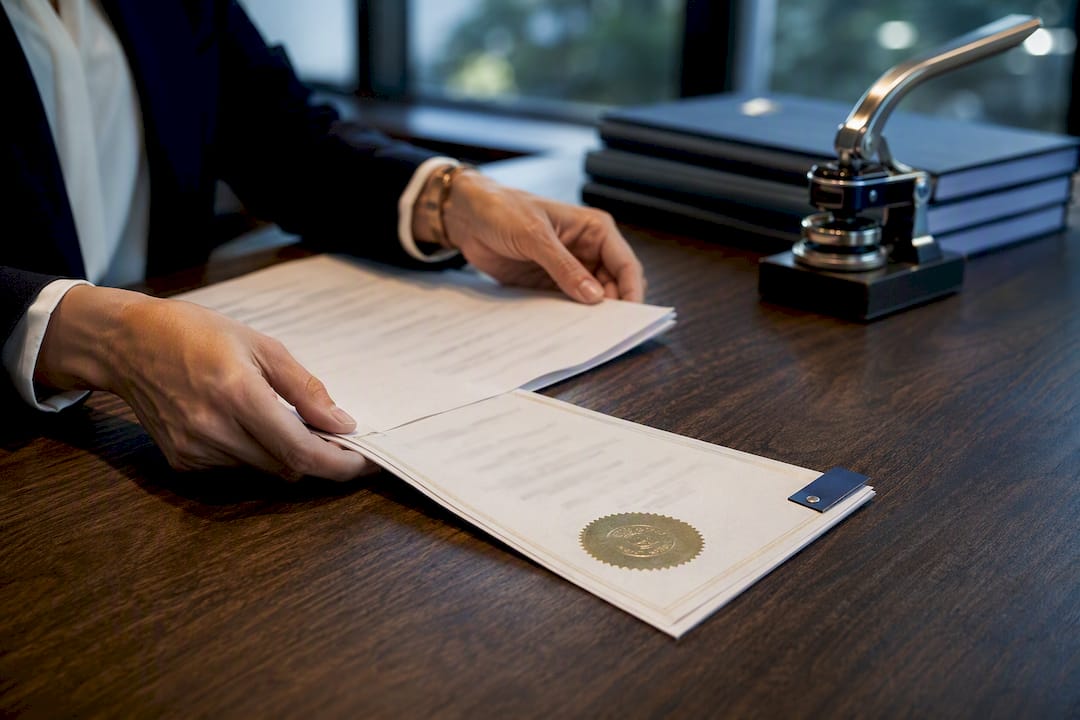
Avoid 15–25 Day Delays: How to Apostille a Canadian Board Resolution ! Board resolution prepared for apostille certification Yes, a Canadian board resolution can be apostilled.
Avoid 15–25 Day Delays: How to Apostille a Canadian Board Resolution
Yes, a Canadian board resolution can be apostilled. The competent authority depends on where the document was issued or notarized: either Global Affairs Canada or a provincial office, most commonly Ontario's Official Documents Services. The correct order is draft, sign, notarize, submit to the right authority, then translate if the destination requires it. Before starting, confirm the receiving country belongs to the Hague Apostille Convention.
TL;DR:
- The document must be signed with original ink signatures and sealed if required, as photocopies or scanned signatures are not acceptable for apostille authentication.
- For Ontario-notarized resolutions, submit the original to Ontario's Official Documents Services; for documents notarized in most other provinces or federally, send them to Global Affairs Canada.
- The standard processing time is around 15 days for Ontario and 25 days for Global Affairs Canada, with mailing adding additional days to the timeline.
- The apostille certifies the signature, seal, and capacity of the signatory, but does not validate the content's compliance with the recipient’s requirements.
- It is advisable to notarize and apostille the original document first, then obtain translations afterward to avoid redoing the translation to include the apostille certificate text.
Table of Contents
- Quick Checklist Before You Submit a Board Resolution Apostille
- Who Issues the Apostille: Global Affairs Canada or a Province?
- Step-by-Step: How to Apostille a Board Resolution
- What Does an Apostille Actually Certify, and When Do You Translate?
- How Long Does It Take and What Does It Cost?
- Why Apostille Requests Get Rejected
- After You Get the Apostille: Verification and Delivery
- DIY or Hire a Specialist for a Board Resolution Apostille?
- Get Your Board Resolution Apostilled Without the Guesswork
- Sources
- FAQ
Quick Checklist Before You Submit a Board Resolution Apostille
A few minutes of preparation prevents weeks of resubmission. Run through this before you send anything to a notary or a government office.
- Confirm the resolution carries original ink signatures and any required corporate seal. Paper originals only, no scans or photocopies.
- Check your bylaws for who must sign, and note any signing-authority language the recipient specifically requests.
- Get the document notarized by a licensed Canadian notary public, or arrange a true-copy attestation if the underlying record comes from a government registry.
- Identify whether Global Affairs Canada or a provincial office handles your document type.
- Verify the destination country accepts apostilles under the Hague Convention, and check whether the receiving party wants a certified translation.
Who Issues the Apostille: Global Affairs Canada or a Province?
The rule is simple: send the document to the authority tied to where it was issued or where the notary who signed it is registered. Federal documents and notarizations from most provinces and territories go to Global Affairs Canada, which reports processing times of roughly 25 business days plus mailing time.
Ontario runs its own system. If your board resolution was notarized by an Ontario notary public or lawyer, it goes to Ontario's Official Documents Services instead of the federal office. Other provinces still defer to Global Affairs Canada for most authentication requests.
- Ontario-notarized documents: Ontario ODS
- Federally notarized or most other provinces: Global Affairs Canada
- Uncertain which applies to your notary? Check the GAC versus provincial decision flow or contact the office directly before you submit.
Step-by-Step: How to Apostille a Board Resolution
Skipping a step or doing them out of order is the most common way corporate officers lose weeks. Follow this sequence.
- Draft. Write the resolution to match your corporate bylaws and any language the receiving party has specified, following expert advice on how to structure the corporate document approval workflow. If a foreign bank or registry wants exact wording about signing authority, build it in now rather than after notarization.
- Sign. An authorized officer signs in original ink. Digital signatures, scanned signatures, or photocopies will not pass authentication.
- Notarize. A licensed Canadian notary public notarizes the resolution. If the underlying document originates from a government registry, ask whether a true-copy attestation applies instead of standard notarization.
- Submit. Send the notarized original to the correct competent authority, whether that's Global Affairs Canada or a provincial ODS, along with the required application forms and fees.
- Translate, if required. If the destination country needs a translation, confirm whether the translator's certification itself must be notarized and apostilled before the whole package is finalized.
Pro Tip: Translate last, not first. An apostille authenticates the notary's signature on the original document. Translate before that step and you may need to redo the translation to include the apostille certificate text, paying government fees twice.
What Does an Apostille Actually Certify, and When Do You Translate?
An apostille confirms that a signature, the signer's official capacity, and any seal are genuine. It says nothing about whether the resolution's content satisfies a bank, court, or registry abroad. That distinction trips up more corporate filings than any paperwork error.
The safe order for Hague-member destinations is notarize, then apostille the notary's signature, then translate. If the receiving authority requires the translation to include the apostille certificate itself, the translator works from the fully apostilled document.
- Apostille first, translate second, when translation is required.
- If a translator's certificate must be notarized separately, notarize it, then apostille that specific notarization according to the authority's rules.
- Always confirm with the destination whether the translator's certification needs its own apostille or simply needs to accompany the apostilled original.
How Long Does It Take and What Does It Cost?
Timelines vary sharply depending on which office handles your document, and mailing adds days on both ends.
| Authority | Typical processing time | Notes |
|---|---|---|
| Global Affairs Canada | About 25 business days | Plus mailing time to and from the office |
| Ontario Official Documents Services | About 15 business days | Applies to Ontario-notarized documents mailed in |
| Third-party expedited service | Varies by provider | Adds a service fee, often shortens calendar time |
- Government fees apply on top of any notary or courier costs.
- Mail-in applications add transit time both directions, so budget extra days beyond the stated processing window.
- Expedited or specialist services charge a fee for handling and follow-up but can compress the overall timeline for urgent filings.
Why Apostille Requests Get Rejected
Most rejections trace back to a handful of avoidable mistakes. Confirm recipient requirements before you notarize anything, and you'll avoid nearly all of them.
- Translating before the apostille is issued, which often misses the apostille certificate text and forces a redo.
- Submitting photocopies or laminated documents. Government offices require paper originals with original signatures and seals.
- Ignoring recipient-specific wording. Banks, foreign registries, and courts frequently demand precise phrasing or supporting attachments that a generic resolution template won't satisfy.
- Assuming content gets validated. An apostille authenticates the signature and seal, not whether the resolution's language meets the recipient's standard.
Pro Tip: Before you book a notary appointment, email the receiving bank, registry, or court and ask for their exact wording requirements in writing. Attach that confirmation to your file. It costs nothing and it's the cheapest insurance against paying government fees twice.
After You Get the Apostille: Verification and Delivery
Once the apostille is issued, confirm it's genuine and get it into the recipient's hands intact.
- Use the issuing authority's verification tool. Ontario's ODS system checks apostilles by number and issuance date, and Global Affairs Canada offers similar confirmation.
- Package the apostilled original together with any certified translations and certified copies the recipient has requested. Don't separate them in transit.
- For time-sensitive filings, use tracked, insured courier delivery rather than standard mail.
- For multi-document corporate packages or hard deadlines, a specialist apostille service can manage submission and return logistics in parallel.
DIY or Hire a Specialist for a Board Resolution Apostille?
Handling this in-house works fine for a single, straightforward resolution with a flexible deadline and a notary you already trust. The moment you're dealing with multiple documents, a hard closing date, or a recipient whose exact wording requirements are unclear, the calculation changes.
Multi-document packages multiply the chances of one form or fee going wrong, and rework at that stage costs real time, not just money. A specialist who submits apostille applications daily catches formatting issues before they become rejections.
— Ken
Get Your Board Resolution Apostilled Without the Guesswork
Some service providers bundle government fees into one upfront price, so you know the total cost before you commit rather than discovering add-on charges after submission. For a board resolution, that means document review to catch signature or wording issues before they cause a rejection, in-house handling of notarization referrals, submission to whichever authority actually governs your document, and tracked return delivery once the apostille is issued.

Typical turnaround can be shorter than the 15 to 25 business days you'd wait going straight through Global Affairs Canada or a provincial office on your own. That gap matters most when a foreign bank or registry has already set a filing deadline. If you need a board resolution, or a batch of corporate documents, apostilled without chasing down forms and fee schedules yourself, start your order on the Speedyapostilleservices site and get a document review before anything goes to notarization.
Sources
- Authentication of documents - Global Affairs Canada
- Authenticating documents (Global Affairs Canada explanatory story)
- Ontario
This article is general information, not a substitute for advice from a qualified lawyer. Consult a qualified legal professional about your own circumstances before acting on anything here.
FAQ
Who Can Apostille Documents in Canada?
Global Affairs Canada is the federal competent authority, while provinces such as Ontario run their own Official Documents Services for provincially notarized documents. Which one applies to your board resolution depends on where the notary is registered.
How Long Does It Take to Get an Apostille in Canada?
Global Affairs Canada currently reports about 25 business days plus mailing time, while Ontario's ODS commonly cites around 15 business days for mail-in applications. Specialist services can shorten the calendar timeline, and specialist services can shorten the calendar timeline compared to standard processing times.
Does Canada Require an Apostille for Documents Sent Abroad?
Canada requires an apostille only when the destination country is a member of the Hague Apostille Convention and the receiving institution asks for one. If the destination isn't a Hague member, you need consular legalization instead, not an apostille.
How Much Does It Cost to Apostille a Document in Canada?
Government fees apply through either Global Affairs Canada or the relevant provincial office, and costs vary depending on notary and courier charges layered on top. Some service providers use an all-in pricing model that bundles government fees into one upfront total, so there are no surprise charges added later.
Does a Board Resolution Need Translation Before or After the Apostille?
Notarize and apostille the original first, then translate afterward if the destination requires it. Translating before the apostille is issued often misses the apostille certificate text and forces a costly redo.